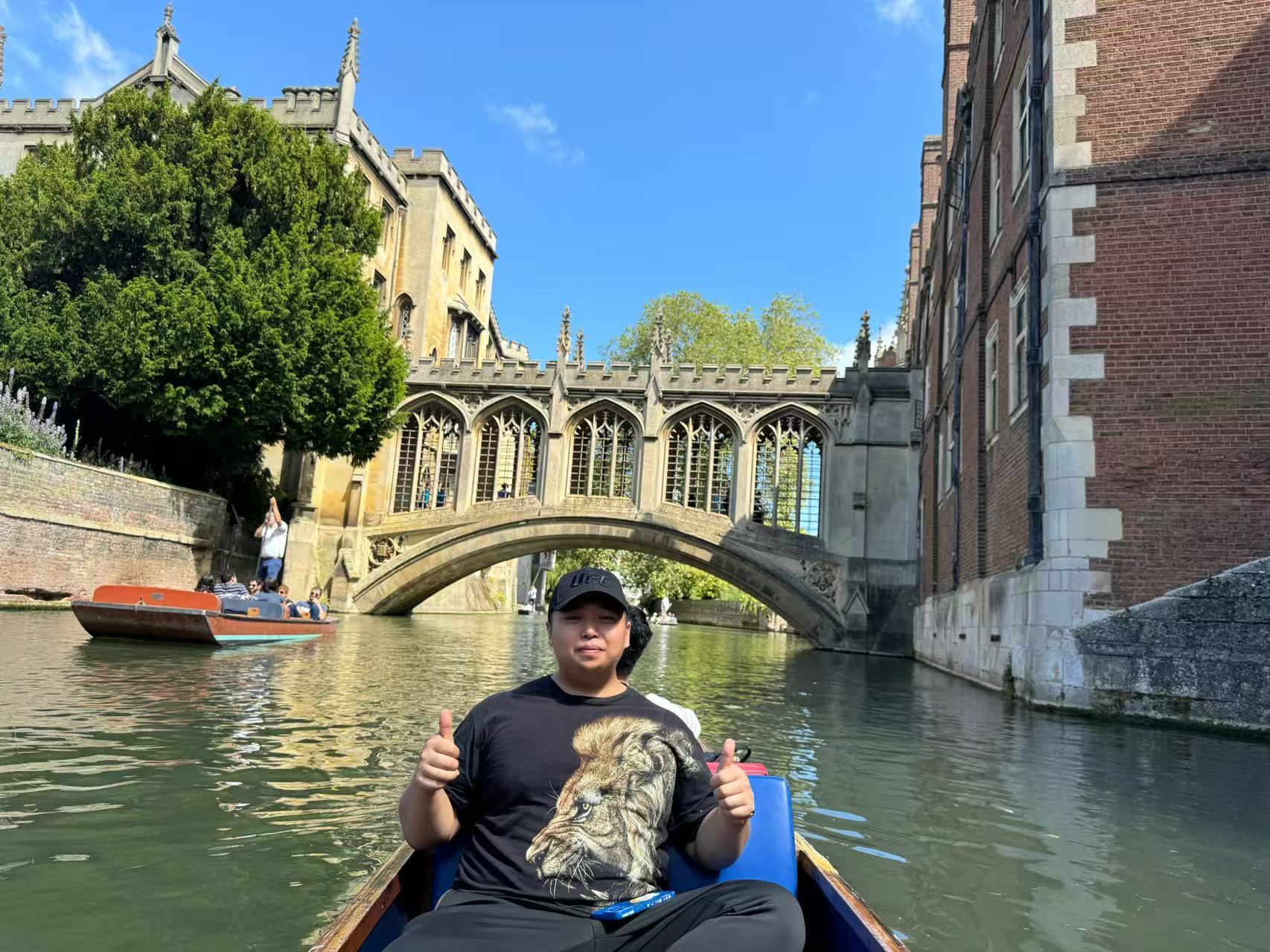
Welcome to Yi Zhang’s homepage
Biography
I am currently an Assistant Professor in the College of Computer Science and Software Engineering at Shenzhen University. I received my Ph.D. degree in June 2025 as a jointly trained doctoral student at Harbin Institute of Technology and Southern University of Science and Technology, under the supervision of Professor Zhihai He. During my doctoral studies, I was also a visiting Ph.D. researcher in the Department of Applied Mathematics and Theoretical Physics at the University of Cambridge, where I worked with Prof. Angelica I. Aviles-Rivero.
Before that, I received my M.S. degree in Information Systems from The University of Texas in 2016, and my B.S. degree in Software Engineering from Northeastern University in 2015. In addition to my academic training, I also have extensive industry experience, having worked as a software engineer at Huawei and SAP, which provided me with strong practical engineering expertise.
My research lies at the intersection of multimodal learning, foundation models, human-centered AI, and software engineering for intelligent systems. Broadly speaking, I am interested in building intelligent systems that can adapt efficiently, generalize robustly, remain trustworthy and controllable, collaborate naturally with humans, and be systematically engineered for reliable real-world deployment.
Over the past several years, my work has mainly focused on adaptation, parameter-efficient fine-tuning, and generalization for vision-language models. In particular, I study how foundation models can transfer to new tasks, domains, and distributions with lower cost and stronger robustness. In this line of work, I am especially interested in mathematically grounded approaches that combine geometry, optimization, and structured modeling for multimodal learning.
More recently, I have also become interested in the trustworthiness and controllability of large models, including topics such as machine unlearning and Watermarking & Fingerprinting. These directions aim to support safer deployment, better provenance, and more reliable use of large models in real-world applications.
Looking ahead, I am particularly excited about egocentric vision, egocentric agents, and egocentric multimodal large models. My long-term vision is to build Human-AI Co-Embodied Intelligence: AI systems that can understand human behavior, intentions, and interactions with the world from a first-person perspective, and ultimately perceive, reason, and evolve together with humans in the real world.
📮 ☎️ If you are interested in my research, joining my group, or potential collaborations, feel free to email me at: yizhang.ai@ieee.org.
Research Interests
1. Efficient Adaptation and Generalization for Multimodal Foundation Models
Developing methods for adaptation, efficient fine-tuning, and generalization in vision-language and multimodal foundation models, including parameter-efficient techniques such as LoRA, adapters, and prompt learning.
2. Trustworthy and Controllable Large Models
Studying topics such as machine unlearning and Watermarking & Fingerprinting to improve the controllability, traceability, and reliability of large models in real-world deployment.
3. Egocentric Multimodal Intelligence and Human-AI Co-Embodied Intelligence
Building first-person AI systems based on egocentric vision, egocentric agents, and egocentric multimodal large models, with the goal of enabling human-centered perception, reasoning, and long-term collaboration.
4. Software Engineering for Multimodal and Embodied AI Systems
Studying how multimodal and embodied AI systems can be systematically built, evaluated, deployed, and maintained in real-world settings, with an emphasis on modular design, reliability, human-in-the-loop interaction, and lifecycle management.
News
- [04/2026] One paper is accepted by ACL 2026(Main Track). Check out TLora.
- [01/2026] One paper is accepted by CVPR 2026(Finding Track). Check out Gaussian Shannon.
- [01/2026] Two papers are accepted by ICASSP 2026. Check out TaTa and FPL.
- [12/2025] One paper is accepted by TMM. Check out T-DHA.
- [07/2025] I joined the College of Computer Science and Software Engineering at Shenzhen University as a tenure-track Assistant Professor.
- [06/2025] I officially earned my Ph.D. through the joint training program of Harbin Institute of Technology and Southern University of Science and Technology. Feel free to call me Dr. Rambo.
Teaching
- Software Engineering (Undergraduate)
- Comprehensive Software Engineering Training (Undergraduate)
- Reinforcement learning theory and application (Graduate)
Selected Publications
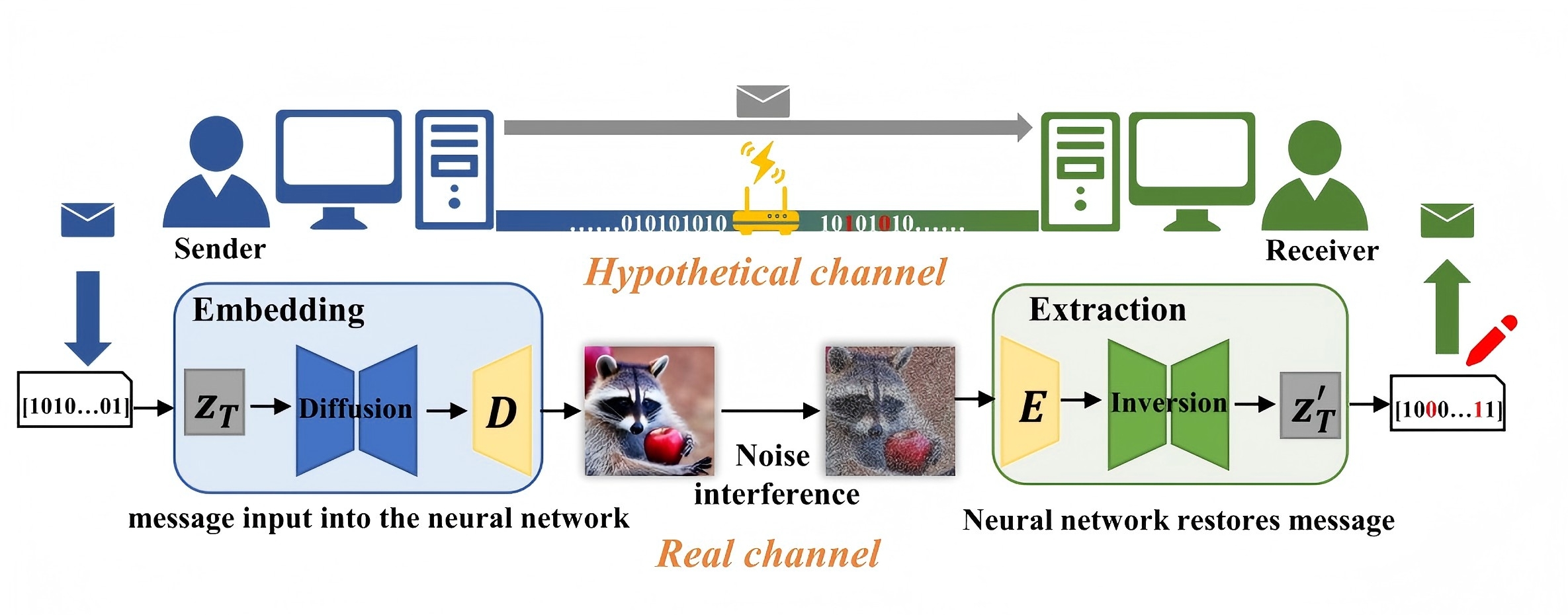 | Gaussian Shannon: High-Precision Diffusion Model Watermarking Based on Communication Yi Zhang, Hongbo Huang, Liang-Jie Zhang The IEEE/CVF Conference on Computer Vision and Pattern Recognition (CVPR2026 ).CCF-A [Paper][Code][Project Page ] |
|---|
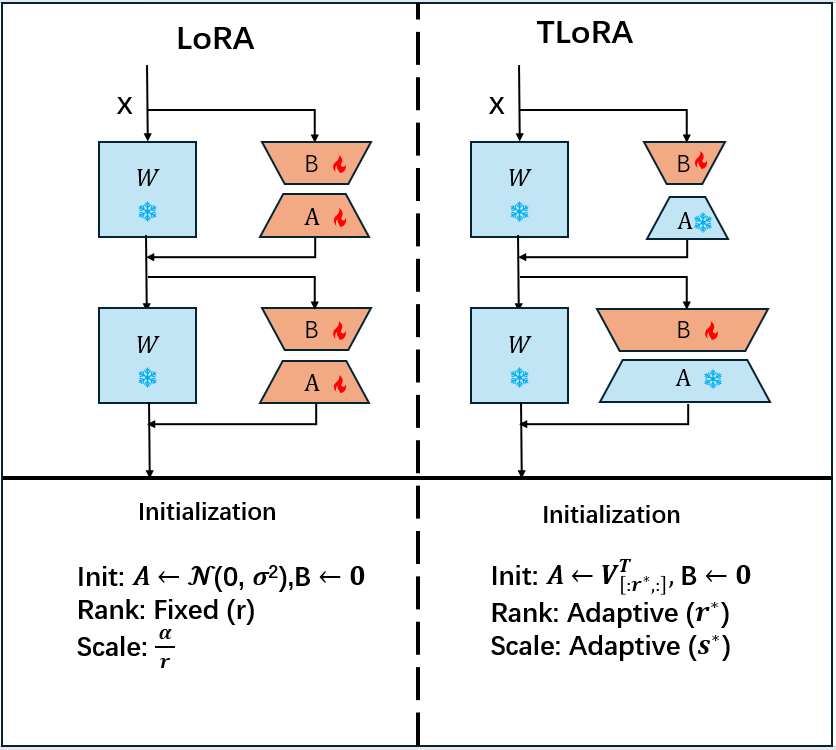 | TLoRA: Task-aware Low Rank Adaptation of Large Language Models Weicheng Lin* Yi Zhang*(Co-first Author), Jiawei Dang, Liang-Jie Zhang The 64th Annual Meeting of the Association for Computational Linguistics (ACL2026 ).CCF-A [Paper][Code][Project Page ] |
|---|
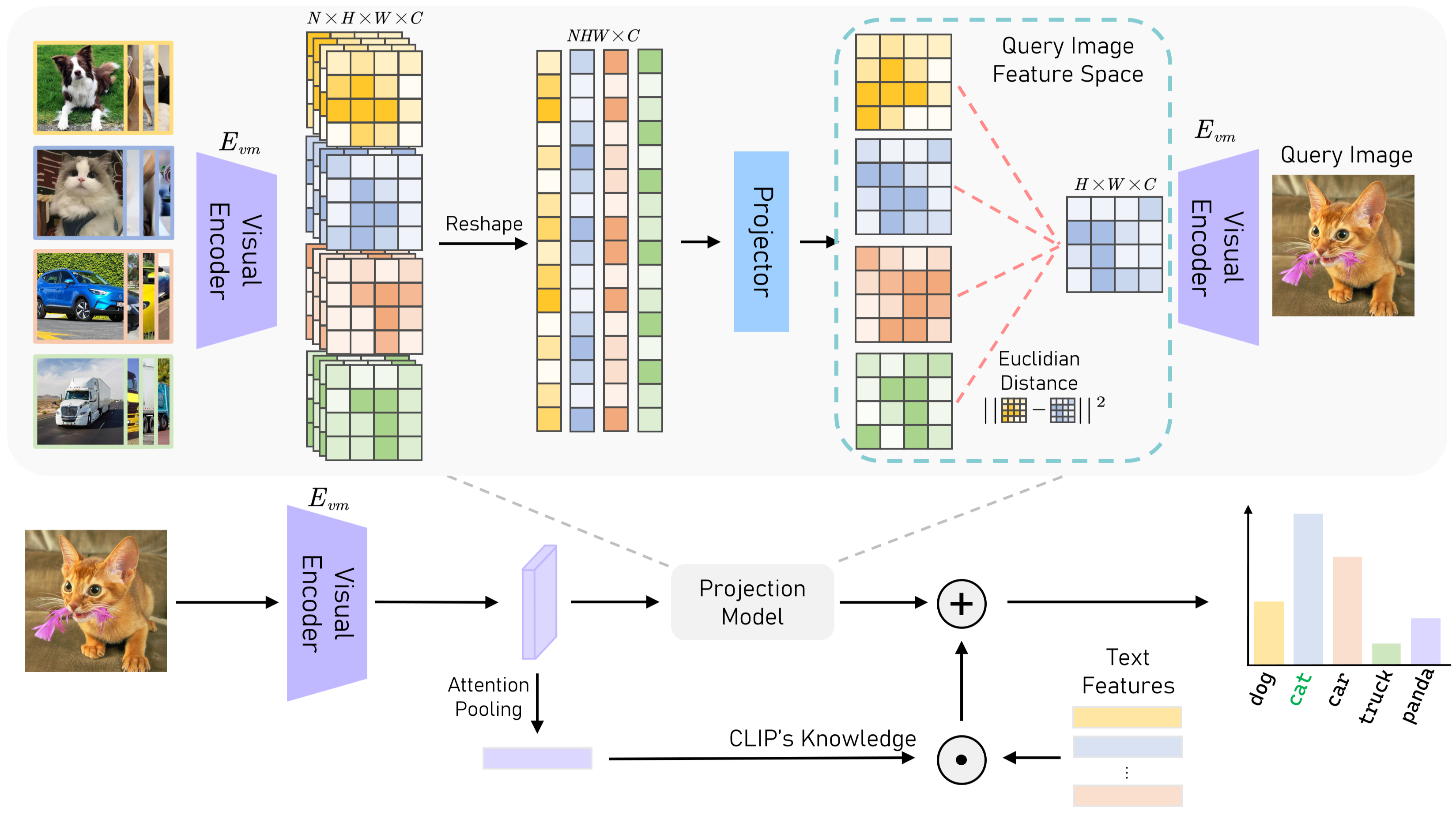 | Feature Projection Learning for Better Vision-Language Reasoning Yi Zhang , Weicheng Lin, Liang-Jie Zhang 2026 IEEE International Conference on Acoustics, Speech, and Signal Processing (ICASSP2026) CCF-B [Paper] |
|---|
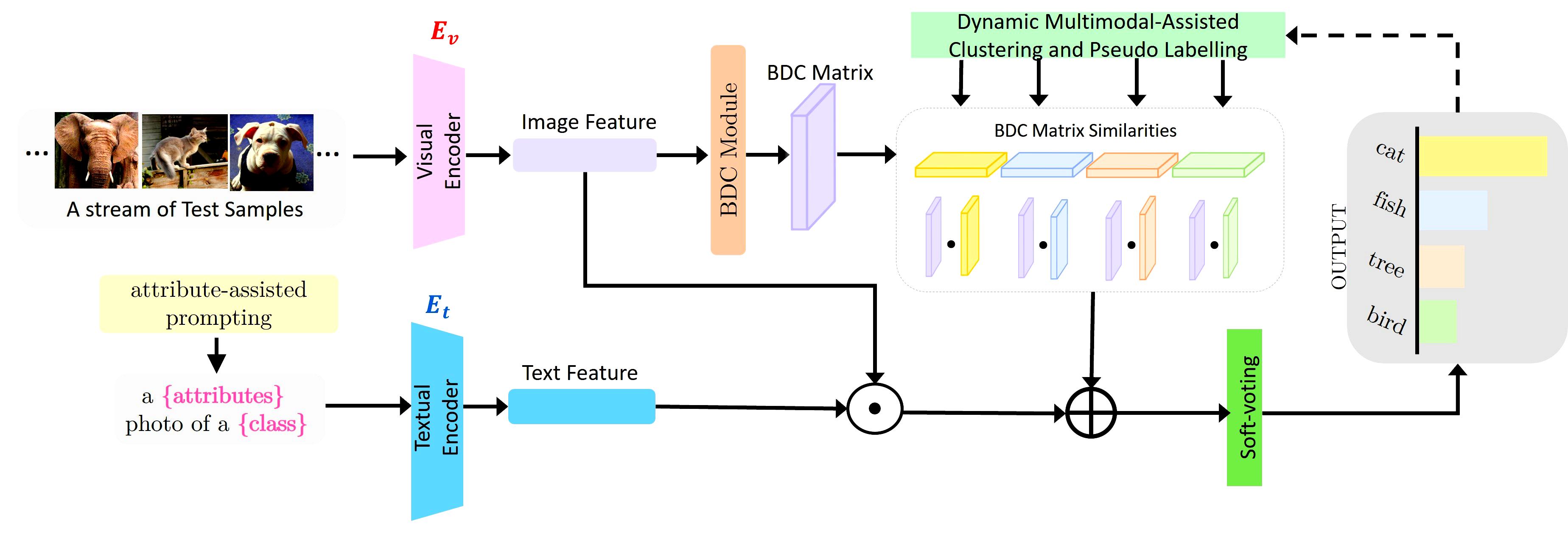 | Training-Free Test-Time Adaptation with Brownian Distance Covariance in Vision-Language Models Yi Zhang , Chun-Wun Cheng, Angelica I Aviles-Rivero, Zhihai He, Liang-Jie Zhang 2026 IEEE International Conference on Acoustics, Speech, and Signal Processing (ICASSP2026) CCF-B [Paper] |
|---|
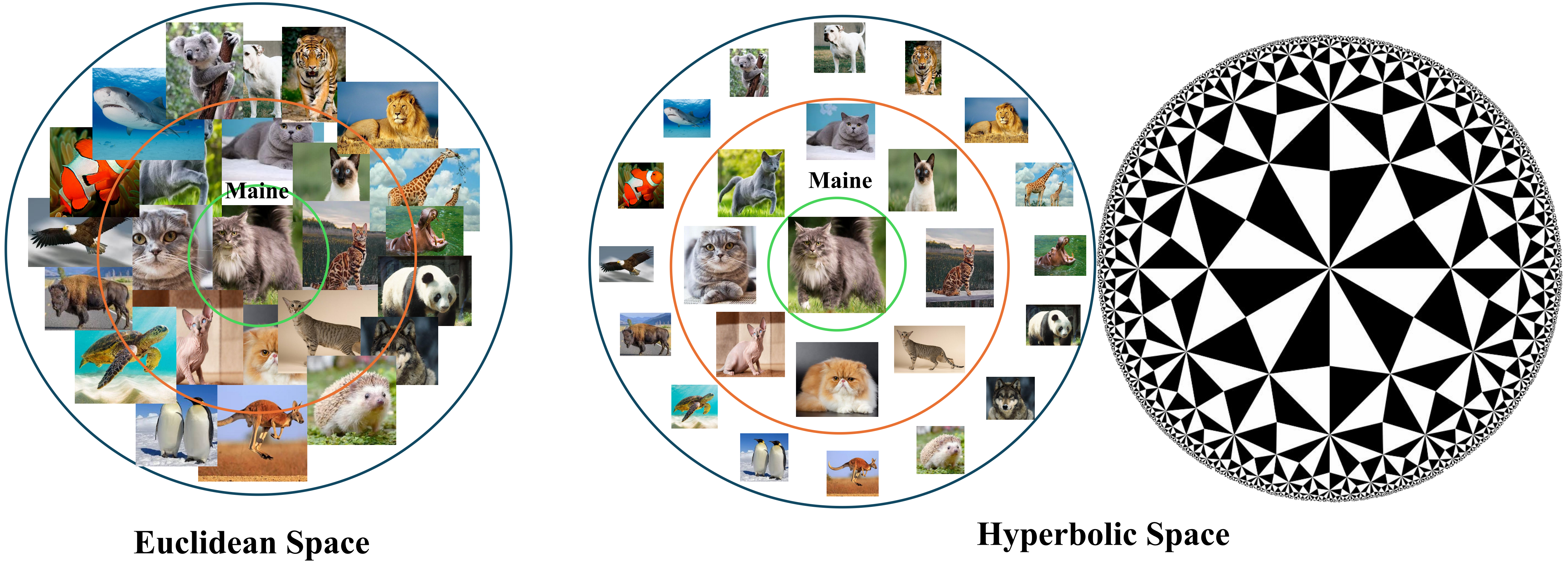 | Training-Free Dual Hyperbolic Adapters for Better Cross-Modal Reasoning Yi Zhang, Chun-Wun Cheng, Junyi He, Ke Yu, Yushun Tang, Carola-Bibiane Schönlieb, Angelica I Aviles-Rivero IEEE Transactions on Mutltimedia(TMM).CCF-A SCI中科院一区 [Paper] |
|---|
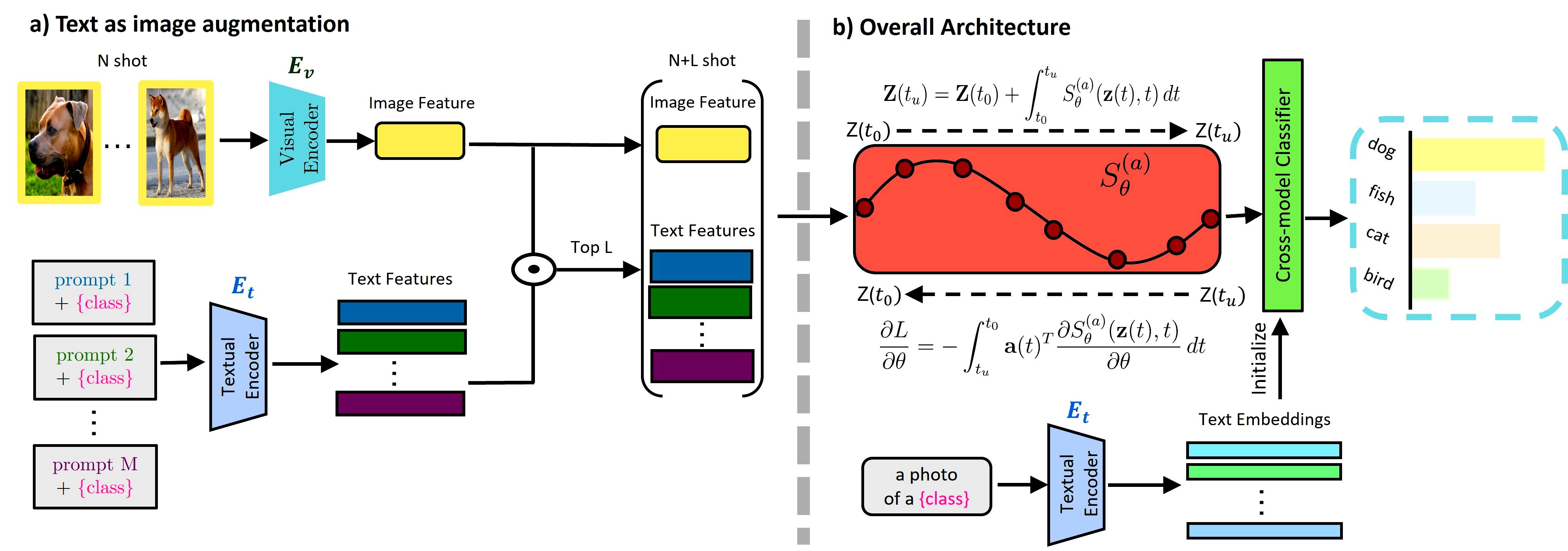 | Cross-Modal Few-Shot Learning with Second-Order Neural Ordinary Differential Equations Yi Zhang, Chun-Wun Cheng, Junyi He, Zhihai He, Carola-Bibiane Schönlieb, Yuyan Chen, Angelica I Aviles-Rivero AAAI Conference on Artificial Intelligence (AAAI2025). Oral Paper, 接收率=4.6\%, CCF-A [Paper][Code][Project Page ] |
|---|
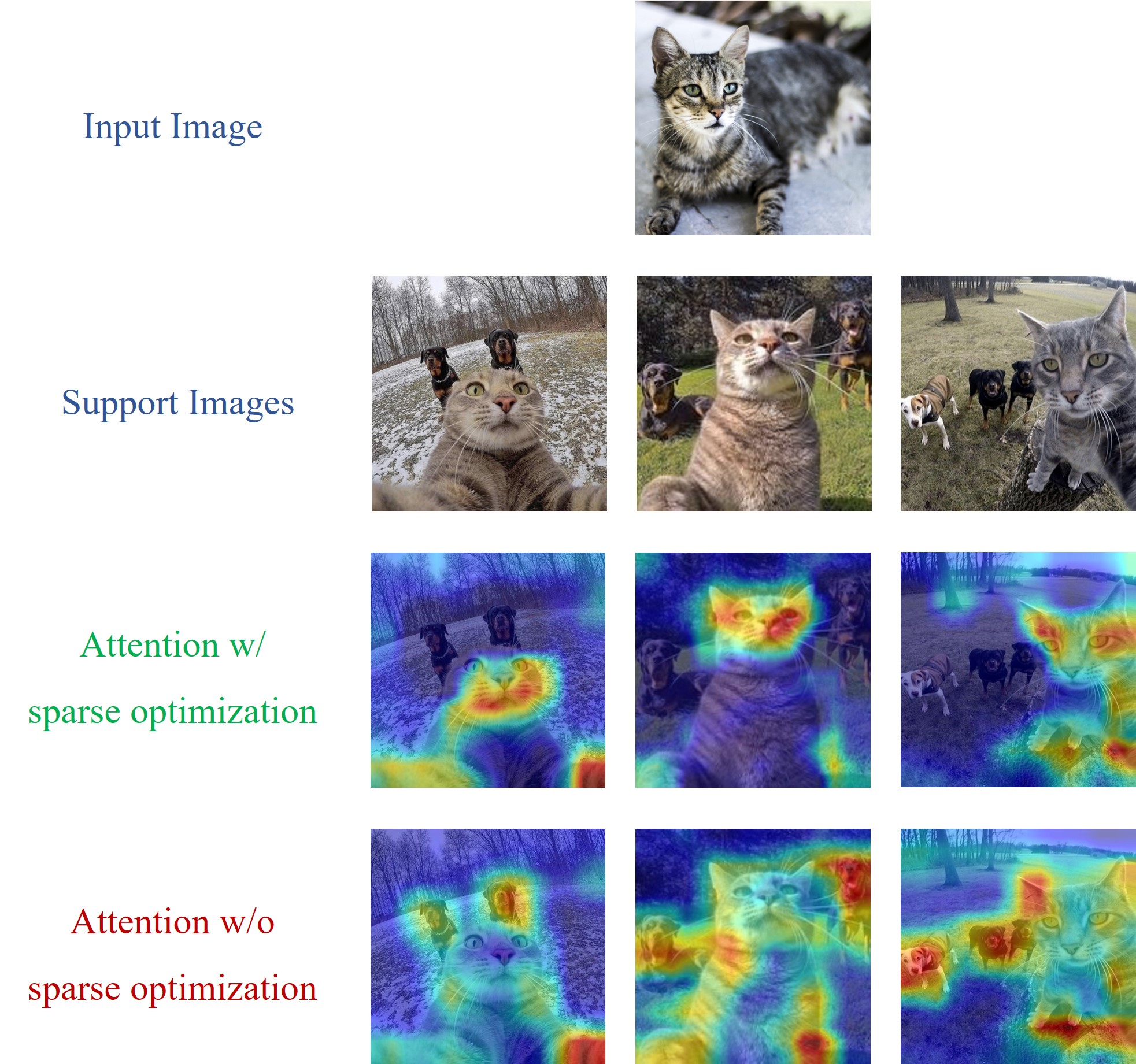 | Training-Free Feature Reconstruction with Sparse Optimization for Vision-Language Models Yi Zhang, Ke Yu, Angelica I Aviles-Rivero, Jiyuan Jia, Yushun Tang, Zhihai He ACM International Conference on Multimedia ( [Paper] |
|---|
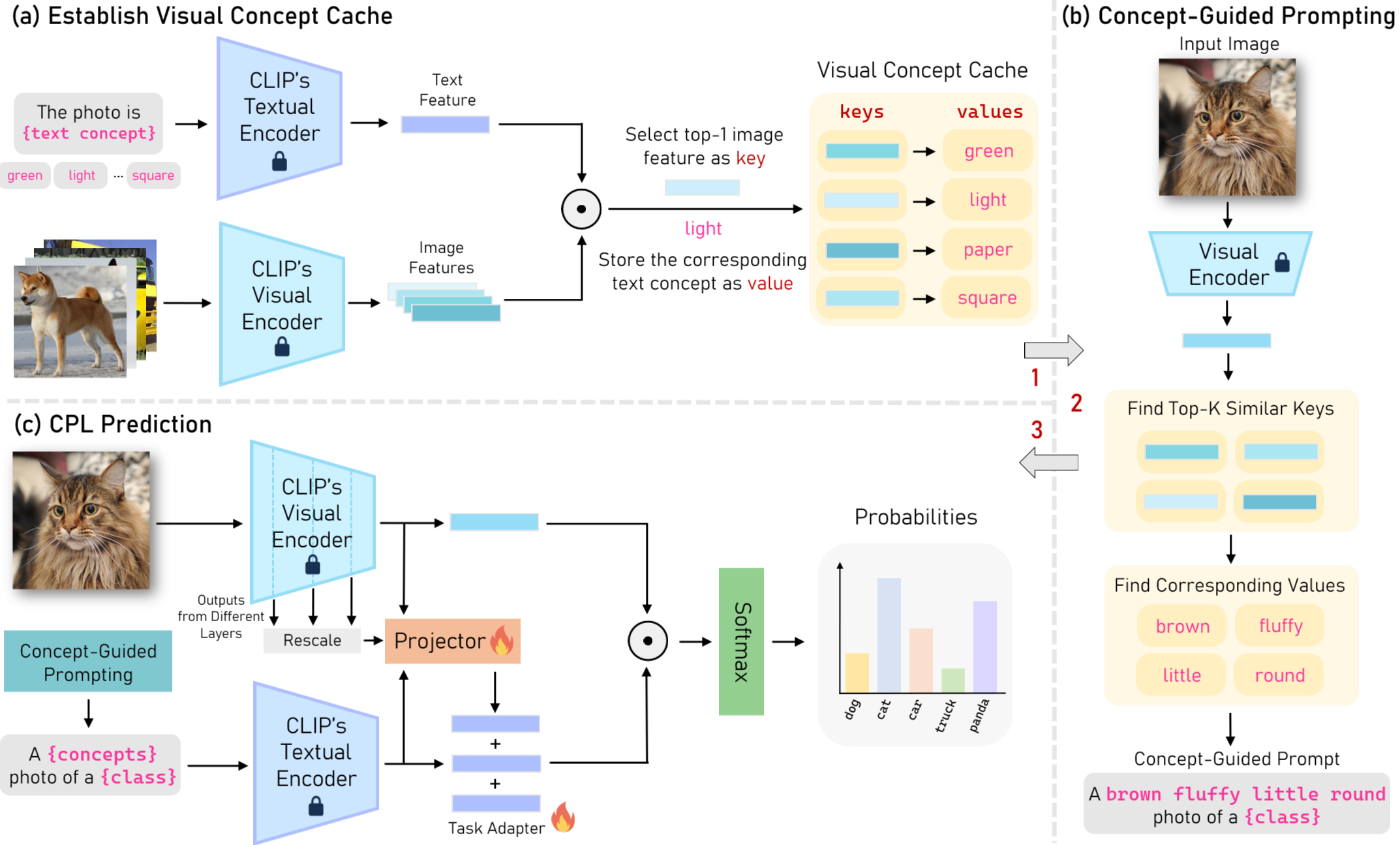 | Concept-Guided Prompt Learning for Generalization in Vision-Language Models Yi Zhang, Ce Zhang, Ke Yu, Yushun Tang, and Zhihai He The AAAI Conference on Artificial Intelligence(AAAI2024), CCF-A [Paper] |
|---|
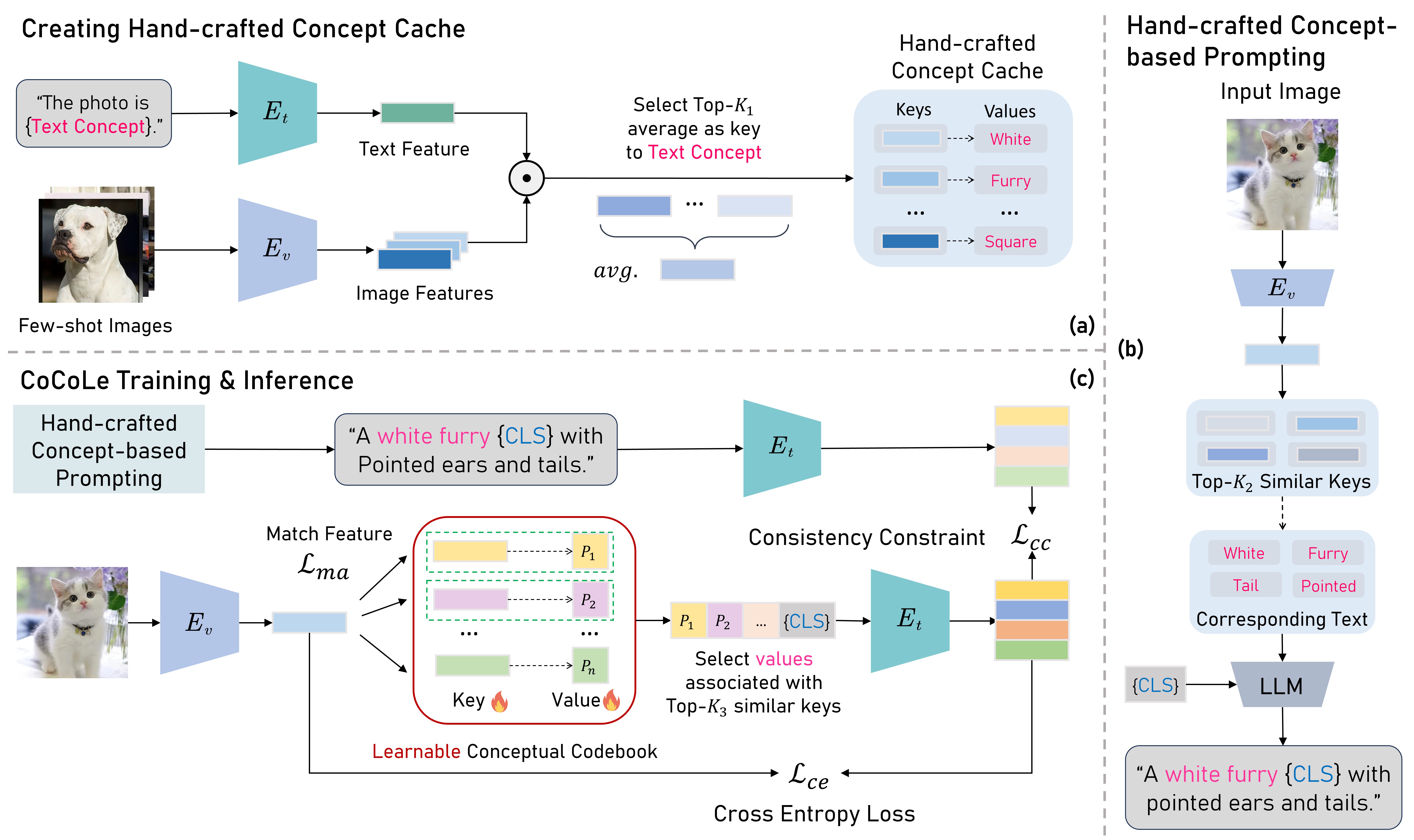 | Conceptual Codebook Learning for Vision-Language Models Yi Zhang , Ke Yu, Siqi Wu and Zhihai He European Conference on Computer Vision (ECCV2024) CCF-B [Paper] |
|---|
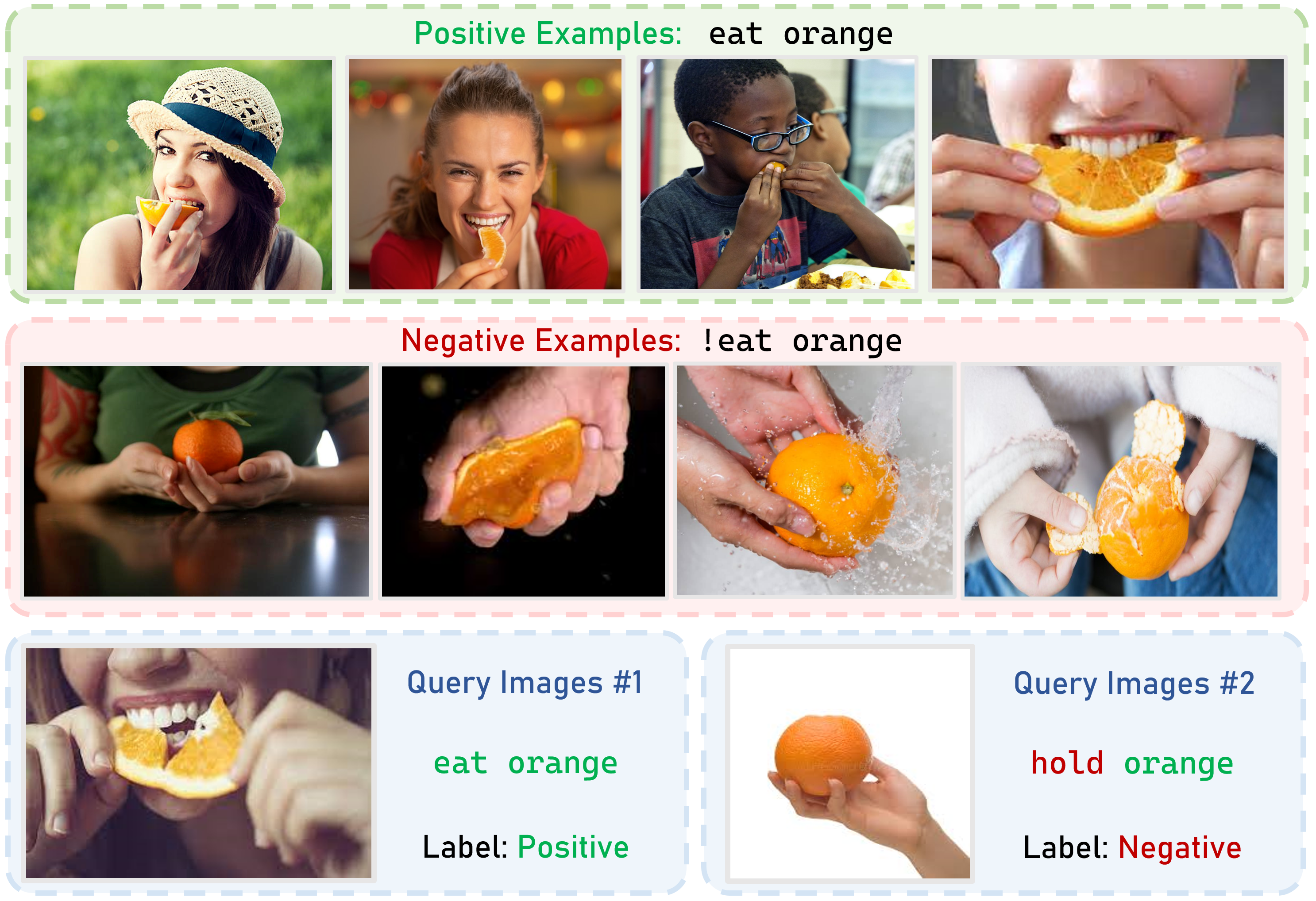 | Test-time Distribution Learning Adapter for Cross-Modal Visual Reasoning Yi Zhang , Ce Zhang 2024 IEEE International Conference on Acoustics, Speech, and Signal Processing (ICASSP2024) CCF-B [Paper] |
|---|
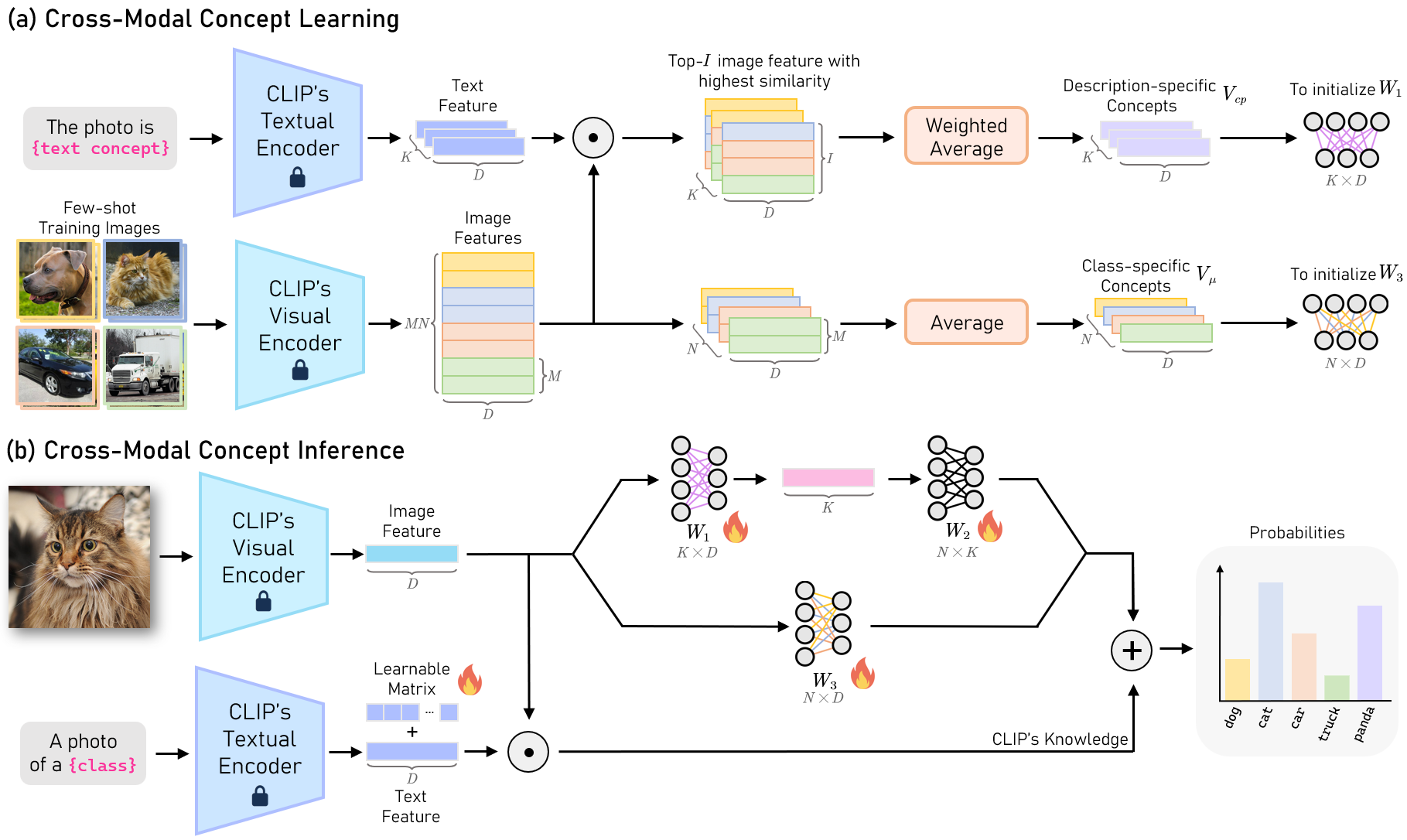 | Cross-Model concept learning and reference for Vision-Language Models Yi Zhang , Ce Zhang, Yushun Tang, Zhihai He Neurocomputing. SCI 中科院二区 [Paper] |
|---|
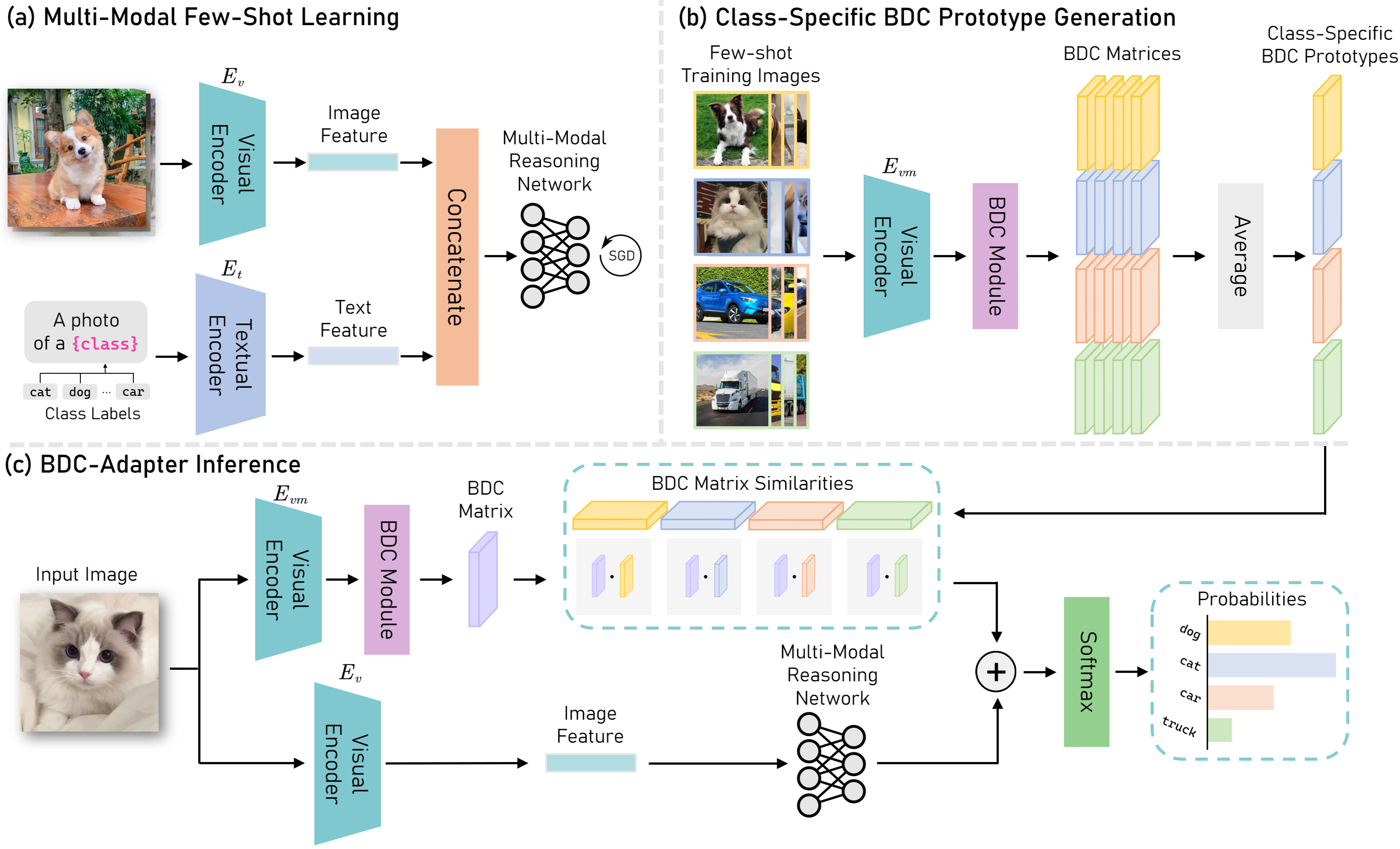 | BDC-Adapter: Brownian Distance Covariance for Better Vision-Language Reasoning Yi Zhang , Ce Zhang, Zihan Liao, Yushun Tang, Zhihai He British Machine Vision Conference (BMVC2023). CCF-C [Paper] |
|---|
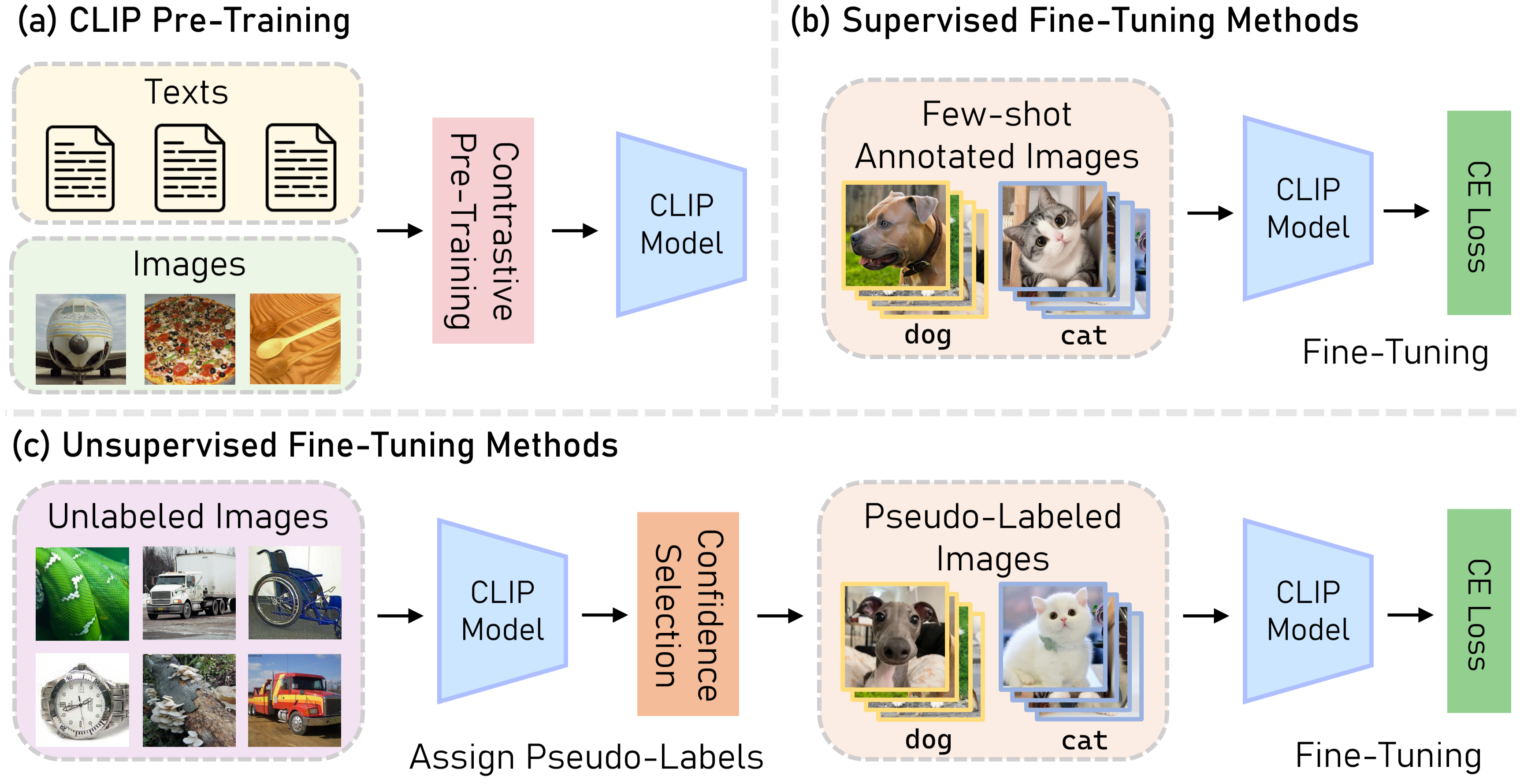 | Unsupervised Prototype Adapter for Vision-Language Models Yi Zhang , Ce Zhang, Xueting Hu, Zhihai He The 6th Chinese Conference on Pattern Recognition and Computer Visione (PRCV2023). CCF-C [Paper] |
|---|